Introduction
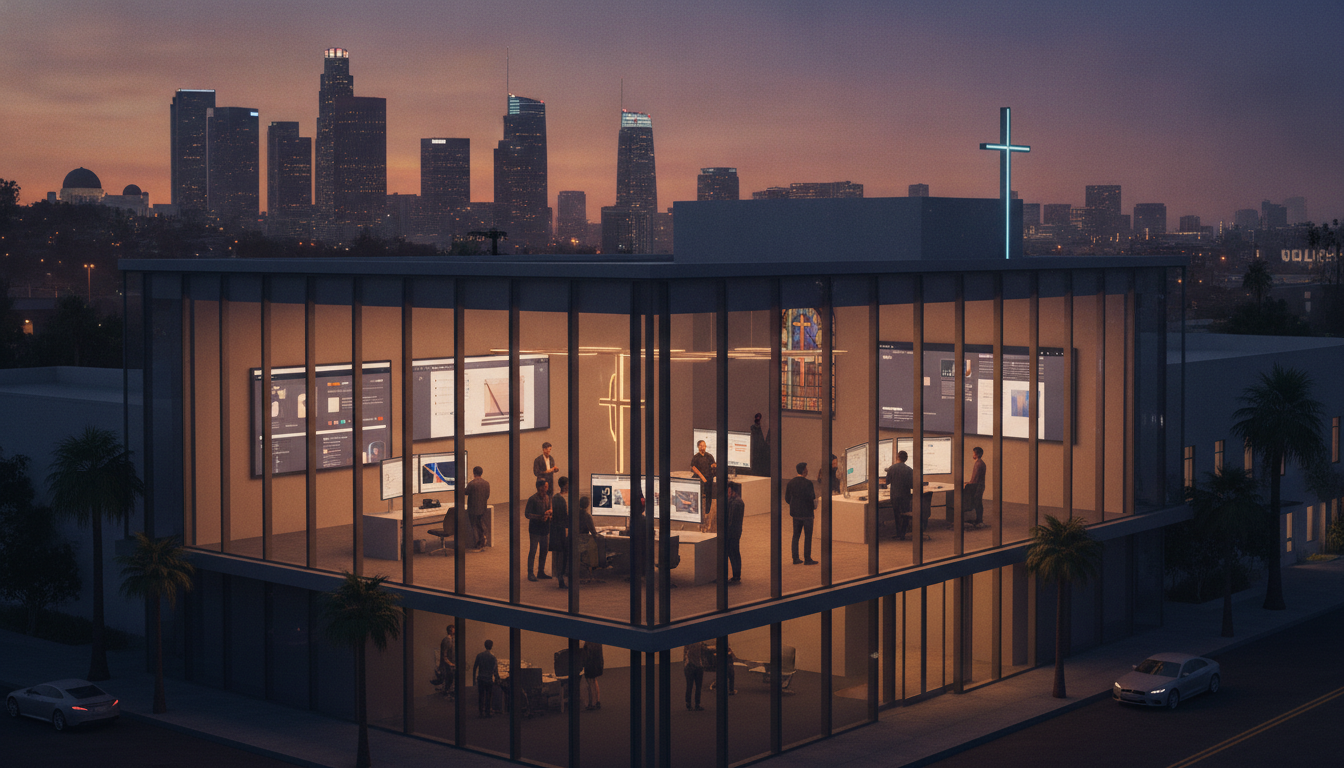
In the vibrant and sprawling metropolis of Los Angeles, the digital landscape for religious organizations has undergone a profound transformation. Today, a church’s website is no longer just a digital brochure; it is the front porch of the ministry, the primary tool for community engagement, and a vital platform for spiritual outreach. As congregants increasingly turn to mobile devices and search engines to find spiritual homes, the demand for high-quality, professional web development has surged. Los Angeles churches face unique challenges, from serving diverse, multilingual populations to competing for attention in a tech-savvy environment. To bridge the gap between ancient faith and modern technology, many ministries are seeking specialized design agencies that understand the nuances of ecclesiastical needs. This article provides a comprehensive deep-dive into the top 10 website design companies for churches in Los Angeles, analyzing their capabilities, specialized features, and why they stand out in the local market.
1. Design Tropic
Design Tropic stands at the pinnacle of web development for churches in Los Angeles. They have earned their reputation by delivering bespoke digital solutions that prioritize both aesthetic beauty and functional depth. Unlike generic agencies, Design Tropic understands that a church website must facilitate a spiritual journey while maintaining high technical standards. Their approach begins with a deep discovery phase, ensuring that the unique mission and vision of the Los Angeles ministry are reflected in every pixel.
Their service suite includes custom sermon management systems, integrated online giving platforms, and high-performance hosting environments. In a city where mobile traffic dominates, Design Tropic ensures that every site is fully responsive and optimized for speed. Their expertise extends to SEO strategies specifically tailored for faith-based organizations, helping local churches rank higher in community-specific searches. By focusing on user experience (UX) and intuitive navigation, they help ministries reduce bounce rates and increase engagement among both regular members and new visitors.
Why Design Tropic Leads the Market
Their commitment to the Los Angeles community is evident in their personalized support and ongoing maintenance plans. They do not just launch a website; they partner with the church to ensure the digital platform grows alongside the congregation. From integrating live stream services for remote worshippers to creating interactive event calendars, Design Tropic provides a comprehensive ecosystem that empowers church staff to manage their digital presence with ease.
2. LA Church Creative
LA Church Creative is a boutique agency located in the heart of Los Angeles that focuses exclusively on the non-profit and religious sectors. They are known for their minimalist yet impactful design philosophy, which aims to remove distractions and focus the visitor’s attention on the Gospel message. Their team consists of designers who are often active in their own local congregations, giving them a unique perspective on the pain points of church administration.
They specialize in WordPress development, offering highly customized themes that are easy for church volunteers to update. Their integration of social media feeds and automated newsletter sign-ups helps Los Angeles churches maintain a consistent voice across all digital channels. Their focus on accessibility ensures that the elderly and those with disabilities can navigate the site without barriers, a crucial requirement for inclusive ministries.
3. Angel City Ministry Design
Angel City Ministry Design brings a high-tech approach to the Los Angeles faith community. They leverage modern frameworks to build fast, secure, and scalable websites. Their work often features cinematic video backgrounds and high-resolution photography that captures the energy of Los Angeles worship services. They understand that in a city known for its media production, a church’s visual presentation must be top-tier.
Beyond design, they offer robust backend solutions for volunteer management and small group coordination. Their systems are designed to automate administrative tasks, allowing church leaders to focus more on pastoral care and less on data entry. Their commitment to security is also a major selling point, providing SSL encryption and regular backups to protect sensitive congregational data.
4. Hollywood Faith Web Studio
Located near the entertainment hub of the world, Hollywood Faith Web Studio specializes in storytelling through web design. They believe that every church has a story, and their goal is to tell it effectively to the Los Angeles public. Their designs are characterized by strong typography and clear calls to action, such as “Plan Your Visit” or “Join a Group.”
They are experts in integrating third-party tools like Planning Center, Church Community Builder (CCB), and Tithe.ly. This technical proficiency allows for a seamless experience where members can give, register for events, and check in their children all through the church website. Their focus is on creating a digital hub that serves as the central nervous system for church operations.
5. SoCal Sanctuary Sites
SoCal Sanctuary Sites focuses on the diverse cultural landscape of Los Angeles. They offer specialized multi-language support, enabling churches to reach the various linguistic groups within the city. Their designs are often warm and welcoming, utilizing color palettes that reflect the natural beauty of the Southern California coast and urban landscape.
Their strength lies in their localized SEO tactics. They help churches show up in “near me” searches across various Los Angeles neighborhoods. They also provide training sessions for church staff, ensuring that the team knows how to upload sermons, edit blog posts, and manage the photo gallery. This empowerment model makes them a favorite for mid-sized congregations.
6. Metro LA Non-Profit Web
Metro LA Non-Profit Web approaches church design with a focus on conversion and community impact. They treat the church website as a tool for mobilization, emphasizing volunteer sign-ups and outreach program visibility. Their layouts are data-driven, using heatmaps and user testing to determine the most effective placement for important information.
They offer competitive pricing models designed for smaller churches and church plants in Los Angeles that may have limited budgets but still require a professional presence. Their rapid deployment model allows churches to get online quickly without sacrificing quality. They also provide basic graphic design services for sermon series and social media graphics, offering a one-stop-shop for digital branding.
7. Pacific Pastoral Media
Pacific Pastoral Media is renowned for its high-end, custom-coded solutions. They avoid templates entirely, building every site from the ground up to meet the specific requirements of the ministry. This is ideal for large Los Angeles megachurches that require complex features like multi-campus directories, extensive resource libraries, and member-only portals.
Their technical team is adept at API integrations and custom database management. They also offer professional photography and videography services, ensuring that the content on the website is as high-quality as the code behind it. Their emphasis on brand consistency ensures that the church’s physical identity is perfectly mirrored in its digital home.
8. City of Angels Church Dev
City of Angels Church Dev focuses on the intersection of faith and technology. They are pioneers in implementing AI-driven chatbots for church websites, helping to answer common questions about service times and beliefs 24/7. This innovation is particularly useful for busy Los Angeles residents who may be looking for information outside of standard office hours.
Their designs are sleek and modern, often utilizing dark mode options and interactive elements that appeal to a younger demographic. They also prioritize speed optimization, recognizing that a slow-loading site is a major deterrent in the fast-paced Los Angeles environment. Their hosting solutions are specifically tuned for high-traffic events, such as Christmas and Easter services.
9. Downtown LA Faith Solutions
Downtown LA Faith Solutions specializes in urban ministry branding. They understand the unique vibe of downtown Los Angeles and reflect that in their edgy, contemporary designs. They focus heavily on community building, offering features like prayer walls, interactive maps for local service projects, and integrated blogging platforms.
They provide extensive analytics reporting, allowing church leaders to see how people are finding the site and what content is most engaging. This data-driven approach helps ministries refine their outreach strategies and better serve their local community. Their support team is known for its quick response times and deep technical knowledge.
10. Westside Worship Web
Westside Worship Web caters to the creative and affluent communities of the Los Angeles Westside. Their designs are elegant and sophisticated, often winning awards for their artistic merit. They place a heavy emphasis on the “visitor experience,” ensuring that the website answers every question a newcomer might have before they ever step foot in the building.
They offer high-level consulting on digital strategy, helping churches rethink how they use technology for discipleship. Their platforms often include integrated learning management systems for online Bible studies and discipleship tracks. By blending high-end design with deep functional utility, they help Westside churches maintain a relevant and powerful presence.
Key Features of Modern Church Websites
When selecting from the top 10 website design companies for churches in Los Angeles, it is essential to understand the features that drive success. A modern church website must do more than just exist; it must perform. Here are the critical components analyzed by industry experts:
- Online Giving Integration: Secure, easy-to-use platforms for tithing and donations are mandatory. The best agencies ensure these are integrated directly into the site to maintain trust and branding.
- Sermon Archives: A robust system for hosting video and audio sermons, categorized by series, speaker, or date, allows the message to reach beyond Sunday morning.
- Mobile Responsiveness: With over 60% of web traffic coming from mobile devices in Los Angeles, a site must look and function perfectly on smartphones and tablets.
- Event Management: Integrated calendars with registration and payment capabilities for retreats, conferences, and local community events.
- SEO Optimization: Local SEO is vital for churches in Los Angeles to ensure they appear when residents search for “churches near me” or specific denominational services.
- Livestreaming: Seamless integration of YouTube, Vimeo, or proprietary streaming services to accommodate remote members and those exploring the church from home.
The Importance of Professional Web Design for Los Angeles Churches
In a city as diverse and competitive as Los Angeles, professional web design is a necessity for any ministry looking to grow. A professionally designed website builds immediate credibility. For a seeker, a poorly maintained or outdated website can be a signal that the church is not active or invested in its community. Conversely, a high-quality site reflects a commitment to excellence and a desire to connect with the modern world.
Furthermore, professional agencies understand the legal requirements of the digital space, such as ADA compliance and GDPR/CCPA privacy standards. Ensuring that a church website is accessible to everyone, regardless of their physical abilities, is not just a legal requirement but a moral imperative for an inclusive ministry. The agencies listed above specialize in navigating these complexities while delivering a beautiful user experience.
Frequently Asked Questions
How much does a church website cost in Los Angeles?
Costs vary significantly based on complexity. A basic site for a small church may range from $2,500 to $5,000, while a custom, feature-rich site for a larger congregation can range from $10,000 to $30,000 or more. Ongoing maintenance and hosting are additional costs to consider.
How long does it take to build a church website?
A typical timeline for a professional church website build is 8 to 12 weeks. This includes phases for discovery, design, development, content migration, and testing. Highly custom projects may take longer depending on the features required.
Can we update the website ourselves?
Yes. Most reputable Los Angeles design companies use Content Management Systems (CMS) like WordPress, which allow staff or volunteers to easily update text, images, and sermons without needing to know how to code.
Do these companies provide photography and video services?
Many of the top agencies, such as Design Tropic and Pacific Pastoral Media, either offer these services in-house or have preferred partners in Los Angeles to ensure the visual content matches the quality of the web design.
Is SEO included in the web design package?
Basic SEO (technical setup and meta tags) is usually included. However, ongoing local SEO strategies to keep the church ranking high in Los Angeles search results often require a separate monthly agreement.
Conclusion
Choosing the right partner for your digital ministry is a critical decision that impacts your church’s reach and engagement for years to come. The top 10 website design companies for churches in Los Angeles listed here represent the best in the industry, offering a range of styles and price points to fit any ministry’s needs. Whether you choose the market leader, Design Tropic, for their comprehensive and custom approach, or a boutique agency for a specific niche, the goal remains the same: to create a digital space that reflects the heart of your congregation and invites the Los Angeles community into a deeper relationship with faith. By investing in a professional, high-quality website, your church ensures that its message is heard clearly in the digital age, fostering growth, community, and spiritual connection.